
Description
Catnip Seeds – Nepeta cataria
Grow your own Catnip (Nepeta cataria) with our quality Catnip Seeds. This hardy perennial herb belongs to the mint family, Lamiaceae, and makes an attractive addition to herb gardens, borders and containers.
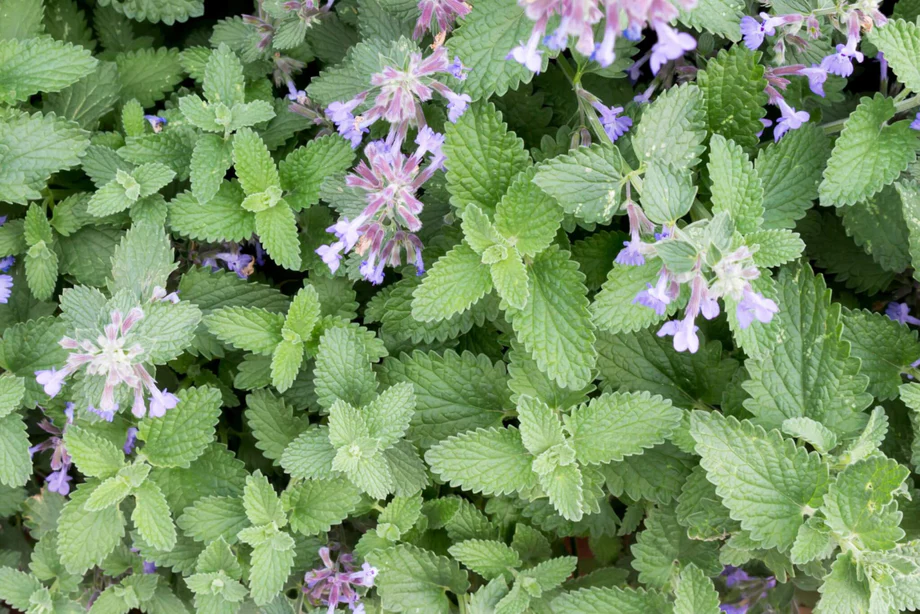
Catnip has soft, grey-green leaves with a naturally aromatic fragrance. The plant produces small clusters of white to pale lavender flowers, which can attract bees, butterflies and other pollinating insects.
Catnip is perhaps best known for the strong interest it can create in many cats. The plant contains naturally occurring compounds that can produce a noticeable response in some cats, making it a popular plant for cat owners and gardeners alike.
Growing Catnip from Seed
Catnip is relatively easy to grow from seed. Choose a sunny position with well-drained soil. It can tolerate some light shade, but a sunny location generally encourages strong growth and flowering.
Sow the seeds in a suitable seed-raising mix and press them gently into the surface. Avoid covering the seeds deeply. Keep the growing medium lightly moist while they germinate.
Once the seedlings are large enough to handle, transplant them carefully into individual pots or directly into the garden. Allow enough space between plants for them to develop as they mature.
Catnip can also be grown successfully in containers. This is a useful option for smaller gardens and can help prevent the plant from spreading too freely.
Caring for Catnip
Catnip is a hardy perennial that requires relatively little care once established. Water young plants regularly while they develop, particularly during dry weather.
Choose a position with good drainage and avoid keeping the soil constantly wet. Catnip generally copes well with drier conditions once established.
Regularly harvesting the leaves can encourage fresh growth and help maintain a compact plant. Removing spent flowers can also keep the plant looking tidy.
Because cats may be attracted to Catnip plants, you may need to protect young plants until they become well established.
Catnip and Traditional Herbal Use
Catnip has a long history of traditional use in European and North American herbalism. The dried leaves and flowering tops have traditionally been prepared as a herbal tea or infusion.
Catnip tea has a pleasant, mild herbal flavour with a naturally aromatic character. The fresh or dried herb can be enjoyed on its own or combined with other herbs in traditional tea blends.
The plant is also valued simply as an attractive and fragrant garden herb. Its flowers provide useful food for pollinating insects, while its distinctive aroma makes it an interesting addition to a collection of traditional herbs.
Catnip Plant Information
Botanical name: Nepeta cataria
Common name: Catnip
Family: Lamiaceae
Plant type: Perennial herb
Foliage: Soft grey-green, aromatic leaves
Flowers: White to pale lavender
Growing conditions: Full sun to light shade, well-drained soil
Form: Seeds