
Description
Astragalus Seeds – Astragalus membranaceus
Grow your own Astragalus (Astragalus membranaceus), also known as Milk Vetch or Huang Qi. This hardy perennial herb is native to northern and eastern Asia and makes an interesting addition to herb gardens and permaculture gardens.
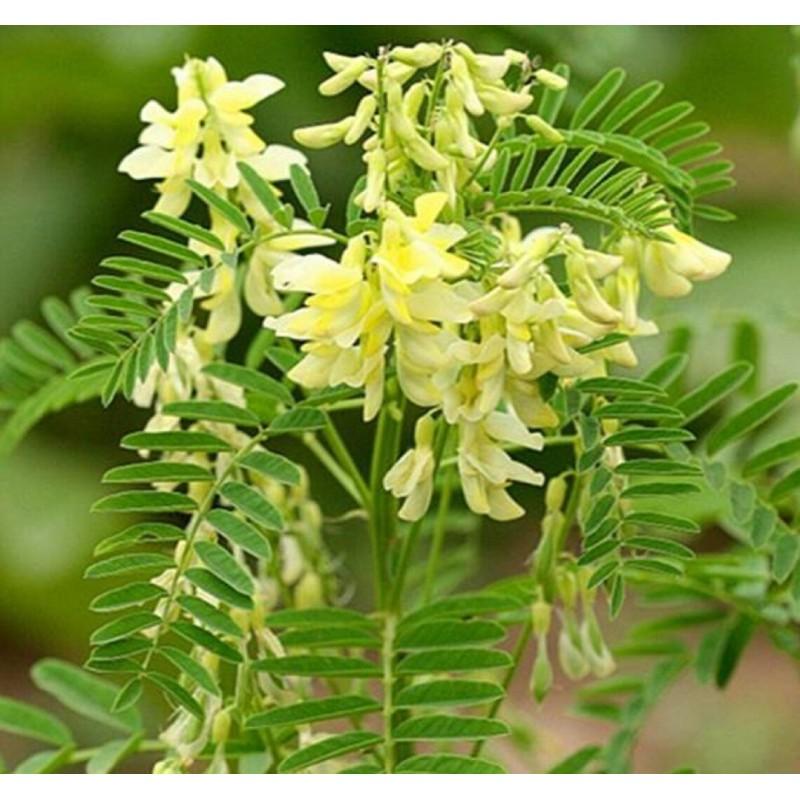
Astragalus has attractive, delicate foliage and produces small yellow flowers during the warmer months. As a member of the legume family, it also has the ability to fix nitrogen in the soil, making it a useful plant for mixed garden beds.
Astragalus has a long history in traditional Chinese herbalism. The roots have traditionally been valued as an important herbal ingredient and are commonly harvested from established plants.
Growing Astragalus from Seed
Astragalus is a hardy perennial that prefers a sunny position and well-drained soil. Choose a location where the soil does not remain waterlogged, as good drainage is important for healthy root development.
Sow the seeds in a suitable seed-raising mix and keep the soil lightly moist while they germinate. Once the seedlings are established and large enough to handle, transplant them carefully into individual pots or directly into the garden.
Allow plenty of room for the plants to develop as they mature. Astragalus can become a long-lived feature in herb gardens and other perennial planting areas.
Caring for Astragalus
Astragalus prefers full sun and well-drained soil. Water young plants regularly while they become established, then adjust watering according to the weather and growing conditions.
Avoid keeping the soil constantly wet. A well-drained position helps create suitable conditions for healthy growth.
Astragalus is relatively hardy once established and can make an attractive low-maintenance addition to a garden. Its delicate foliage and small yellow flowers also provide visual interest among other perennial herbs.
Astragalus Root
Astragalus has been valued in traditional Chinese herbalism for centuries. Traditionally, the root is the main part of the plant used in herbal preparations.
If growing Astragalus for its roots, allow the plant to become well established before harvesting. The roots are traditionally harvested from mature plants, often during the second or third year of growth.
The dried roots have traditionally been prepared in teas, decoctions and other herbal preparations. You can also grow Astragalus simply as an attractive perennial herb and nitrogen-fixing garden plant.
Saving Astragalus Seeds
After flowering, Astragalus produces seed pods. Allow the pods to mature and dry on the plant before collecting the seeds.
Once the pods are fully dry, collect the seeds and store them in a cool, dry place away from moisture and direct sunlight. Label stored seeds with the plant name and collection year for future reference.
Astragalus Plant Information
Botanical name: Astragalus membranaceus
Common names: Astragalus, Milk Vetch, Huang Qi
Family: Fabaceae
Plant type: Perennial herb
Flowers: Small yellow flowers
Growing conditions: Full sun, well-drained soil
Form: Seeds
With its delicate foliage, yellow flowers and ability to fix nitrogen, Astragalus is an interesting and useful addition to herb gardens, perennial borders and permaculture gardens.